
Rhinoplasty Recovery Time: A Week-by-Week Timeline
Rhinoplasty Recovery Time
Reviewed by Dr. Buonassisi
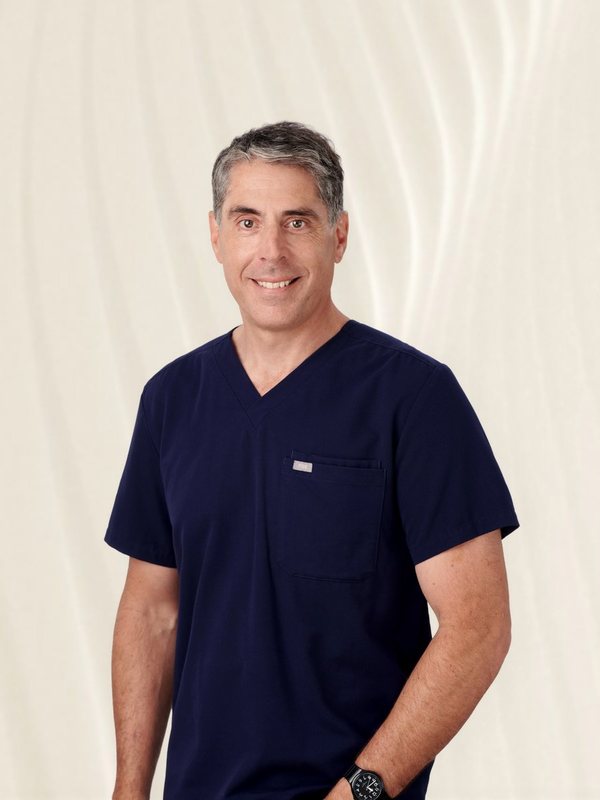
Medically reviewed by Dr. Thomas Buonassisi, MD, FRCSC
Specialist in Otolaryngology – Head and Neck Surgery, with a practice limited to facial plastic surgeries
Published October 30, 2026·Written by 8 West Clinic
Two questions come up in almost every rhinoplasty consultation: how much time off you'll need, and when your nose will look like your result. Below is the full timeline, from the day of surgery to the 12-month mark. If you're still early in your research, start with our main page on rhinoplasty in Vancouver.
Reviewed by Dr. Thomas Buonassisi, MD, FRCSC, Specialist in Otolaryngology – Head and Neck Surgery, with a practice limited to facial plastic surgeries. The nose is at the centre of his specialty, and he has operated on it for breathing and for appearance throughout his career.
How much time off work or school do you need?
For most people, it's about 8 to 10 days. That covers the week with the cast on, plus a few days after it comes off.
Your job makes a difference. If you work from home at a desk and don't need to be on camera, you may be able to work within a day or so of surgery. If your work is physical, plan on a couple of extra weeks.
Week 1: a quiet week at home with the cast on
Dr. Buonassisi's advice is simple: plan a low-key week after surgery. Your nose will be in a cast, and bruising around the eyes and cheeks is common. Pain is usually mild.
Some bleeding can start four or five hours after surgery, around the time the medication from surgery wears off. It usually stops on its own. If it's heavy or won't stop, call the clinic.
Week 2: the cast comes off
The cast comes off at your one-week visit. It takes a few minutes and doesn't hurt, and it's your first look at the new shape, still swollen.
Afterwards, take a long shower and let the water run over your nose without scrubbing. Then rinse inside your nose and use the saline spray you've been given. The small stitches on the outside dissolve and are usually gone in a day or two.
Makeup can cover the bruising that's left. Choose something that comes off easily, and don't scrub your nose to remove it. Most people look presentable within a few days of the cast coming off.
If one area looks puffy, often where a bump was taken down, Dr. Buonassisi may ask you to tape it at night for a short while. You stop once it stays flat. And if you need to sneeze, sneeze with your mouth open.
Weeks 3 to 8: getting back to normal life
The biggest drop in swelling happens over the first six to eight weeks. The small incisions can look a little swollen for a week or two after the cast comes off.
A few things wait until the eight-week mark:
- Glasses and sunglasses. Don't rest anything on the bridge of your nose for six to eight weeks.
- Contact and risky sports. Kickboxing, a pickup basketball game and anything else where your nose could get hit wait six to eight weeks.
When you get back to exercise, it's common for swelling to go up a little afterwards. Skip hot rooms such as hot yoga, and do your cardio outside where it's cooler. Wear a hat when you're out in the sun.
Months 2 to 12: your final result
By about two months, most people look very good. The rest takes patience.
The tip holds swelling the longest, so the nose you see at six weeks isn't your final result. Dr. Buonassisi considers the nose fully healed at about a year, and the 12-month result is the one to judge. If your skin is thicker, the tip can take longer to refine.
You may feel stitches inside your nose for about four months. That's normal. Leave them alone.
After that, your nose changes the way the rest of your face does: slowly, with normal ageing.
What changes your timeline
Everyone heals on their own schedule. Your skin, your job and what was done during surgery all play a part. That's one reason the consultation matters. It's where Dr. Buonassisi plans your surgery around your anatomy and goals, and where you can plan your time off with our team.
When to call us
Call the clinic if bleeding is heavy or won't stop, or if anything during your recovery worries you. You'll get your own aftercare instructions before surgery. Those come first.
Considering rhinoplasty? Start with a quality consultation with a specialist.
Results vary. This content is for informational purposes only and does not constitute medical advice. Book a consultation at 8west.ca to discuss your individual candidacy.