

The features people most often want to change with rhinoplasty are a dorsal hump, which is a bit of extra fullness or height along the bridge of the nose, and a nasal tip that droops. A drooping tip can be more noticeable when someone smiles or talks, and it tends to make the nose look a little longer.
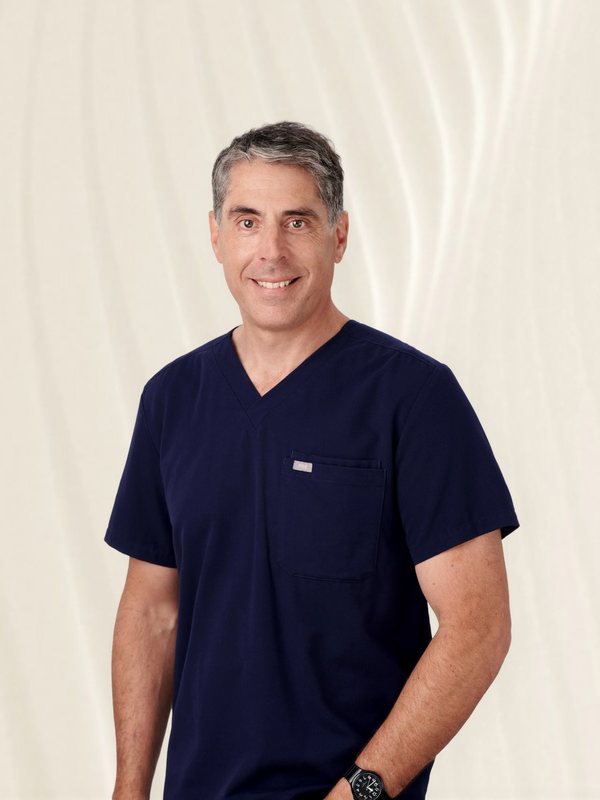
In this short video, Dr. Thomas Buonassisi, MD, FRCSC, Specialist in Otolaryngology – Head and Neck Surgery, with a practice limited to facial plastic surgeries, talks about the two concerns he hears about most often from people considering rhinoplasty, and why a little refinement usually suits a face better than a big change. The patient in this video agreed to share it.
What is a dorsal hump?
Dr. Buonassisi says a dorsal hump is, by far, the most common feature people want to change. The term sounds clinical, but it just means there's a little extra fullness or height on the bridge of the nose. "Dorsum" is the medical name for the bridge, the line that runs from between the eyes down toward the tip.
In general, the upper part of the bridge is bone and the lower part is cartilage, and a hump can involve either one or both. It's usually easiest to see in profile, which is why many people notice it most in photos taken from the side.
A hump isn't something that has to be changed. Plenty of people like the character it gives their face. It only becomes a question for surgery if it's something you've thought about for a while and would like to soften.
What does it mean when the nasal tip droops?
The other very common concern Dr. Buonassisi mentions is a nasal tip that droops. Surgeons call this tip ptosis. For some people the tip only dips when they smile or talk. For others it sits a little low even when the face is at rest.
Either way, a tip that points slightly down tends to make the nose look a bit longer. In general, how long a nose looks depends partly on where the tip sits in relation to the upper lip, so a small change in tip position or rotation can change how long the nose appears, even when its actual length barely changes.
Because a drooping tip can move with expression, it's worth looking at your nose in videos and in the mirror while you're talking, not only in still photos. That's useful to mention at a consultation, along with whether the tip bothers you more at rest or when you're animated.
Can a drooping tip make you look less approachable?
Dr. Buonassisi notes that some people feel they don't look as approachable when their tip hangs down a little, something he finds interesting. It's a reminder that the reasons people consider rhinoplasty often go beyond the nose itself. They're about how the whole face comes across to other people.
The nose sits in the middle of the face, so it affects the balance between the eyes, cheeks, lips and chin. That's why we look at the tip in the context of the whole face, not on its own.
For many people this is a long decision. They've often thought about their nose for years before booking a consultation, and what they're hoping for is to look like themselves, just refined.
How much should rhinoplasty change the nose shape?
Dr. Buonassisi says he hopes the days of making tips super pointy are gone, because that doesn't look very natural. He also points out that the aim isn't necessarily to make a nose straight and narrow. A little refinement can help the nose shape look more attractive and sit in better balance with the rest of the face.
That fits how rhinoplasty is approached at 8 West. The aim is natural harmony: a nose that looks like you, just refined, with your identity kept intact. Looking natural and breathing well are treated as the same goal, so the inside of the nose matters as much as what you see in the mirror.
In general, the rhinoplasty changes that tend to look natural are proportionate ones. Because the nose is so central, even a modest change to a hump or a tip can change how the whole face reads.
How is the approach chosen for your nose?
Every rhinoplasty Dr. Buonassisi performs is bespoke. He meets one-on-one with each patient, looks at the nose and how it relates to the rest of the face, and recommends an approach tailored to your anatomy. He has over 25 years of experience in facial plastic surgery and has performed over 2,500 rhinoplasties, and he uses the full range of rhinoplasty techniques, choosing what suits each person's anatomy and objectives rather than favouring one method.
The consultation is a critical step, not a formality. It's where expectations are aligned, candidacy is assessed and you learn what is and isn't achievable for your nose. Surgeon consultations at 8 West have a fee.
Computer imaging is part of that conversation. It can show roughly how a lower bridge or a slightly lifted tip might look on your face, which makes it easier to talk through what you want. It's a guide, not a promise. You can see more about how computer imaging is used in a consultation in another video in this series.
What should you expect from recovery and results?
Most people are socially presentable in about 1–2 weeks. Final results take about 12 months, since it takes time for the swelling to settle fully.
Like any surgery, rhinoplasty has risks and trade-offs, and they depend on what's being done and on your own anatomy and health. They're reviewed in detail at your consultation so you can make an informed decision. If you're considering surgery in Vancouver and North Vancouver, it's worth allowing for those first couple of weeks in your work and social calendar before you choose a date.
What questions should you ask at a rhinoplasty consultation?
It helps to arrive with a clear sense of which features bother you and why. A few questions worth bringing along:
- How much of the hump is bone and how much is cartilage?
- Does the tip droop at rest, when smiling, or both, and what would lifting it involve?
- How would changes to the hump and tip affect the balance with the chin, lips and eyes?
- Can computer imaging show roughly what a modest change would look like?
- What does recovery look like in the two weeks after surgery, and when will the final shape be clear?
The free Essential Guide to Rhinoplasty covers more questions like these. If you're curious how these features are approached differently for men and women, see male vs female rhinoplasty differences. You'll find more short videos in the Rhinoplasty Knowledge Hub.
Frequently asked questions
Is a dorsal hump made of bone or cartilage?
It can be either, or both. In general, the upper part of the nasal bridge is bone and the lower part is cartilage, so a hump may involve one or both layers. Where the fullness sits affects how it's approached in surgery, which is one of the things Dr. Buonassisi looks at closely during a rhinoplasty consultation before recommending an approach.
Can a hump and a drooping tip be changed in the same rhinoplasty?
In general, yes. A rhinoplasty can address the bridge and the tip in one surgery, and many people who ask about a dorsal hump also notice that their tip sits a little low. Whether both should be changed, and by how much, depends on your anatomy and what you'd like to see, and that's decided at your consultation.
Will lifting my nasal tip make my nose look upturned?
The aim isn't to make the tip point up. Dr. Buonassisi says super pointy tips don't look very natural, and the goal is a small amount of refinement that keeps the nose in balance with your face. How much lift suits you is discussed at your consultation, and computer imaging can help you both see a rough version of the change.
Do I need to change my whole nose if only one feature bothers me?
No. Many people are happy with most of their nose and want to soften just one feature, such as a hump on the bridge. The approach is tailored to your anatomy, so the recommendation depends on what you'd like to change and what will keep the nose looking natural on your face. That conversation happens one-on-one with Dr. Buonassisi.
How long does it take to see the final shape after rhinoplasty?
Most people are socially presentable in about 1–2 weeks, but the final shape takes about 12 months to show. Swelling settles gradually over that time, so the nose you see a few weeks after surgery isn't the finished result yet. Your follow-up visits are a good time to ask about how things are settling.