

What is rhinoplasty? In simple terms, it's a surgical procedure that changes the shape of the nose. There are many types and many names for it, but each one comes down to the same thing: reshaping the nose with surgery, with the aim of a nose that's in balance with the rest of the face and still looks like you.
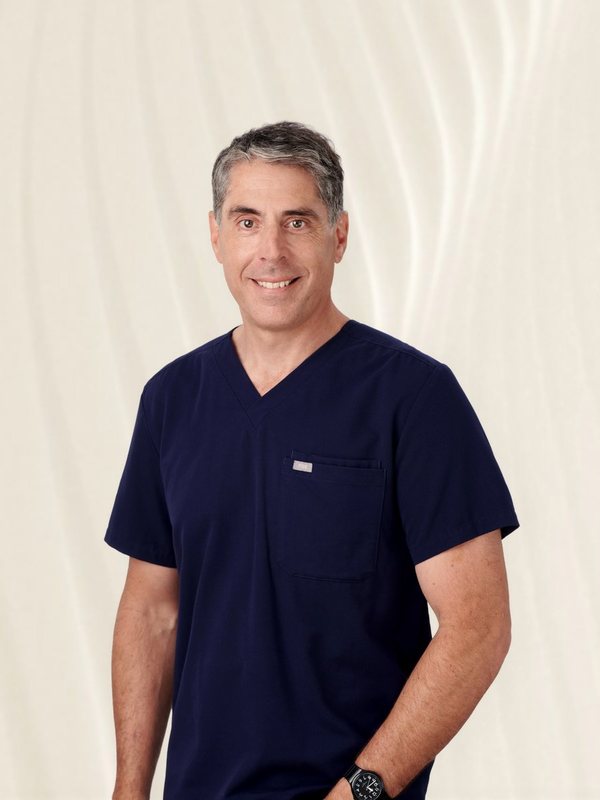
In this short video, Dr. Thomas Buonassisi, MD, FRCSC, Specialist in Otolaryngology – Head and Neck Surgery, with a practice limited to facial plastic surgeries, gives that definition in just a few seconds. Below, we fill in the details patients usually want to know next.
What is rhinoplasty able to change?
The nose is made of bone in its upper part, cartilage lower down and through the tip, and skin over all of it. In general, rhinoplasty surgery works on some or all of these layers. Depending on the person, that can mean changing the height of the bridge, the width of the nasal bones, or the shape and position of the tip.
Some of the areas people commonly ask about include:
- A bump or hump along the bridge
- The width of the nose, at the bones or at the tip
- How the tip is shaped, how far it projects and the angle it sits at
- The size and shape of the nostrils
- Overall length, and how the nose relates to the lips, chin and forehead
Breathing is part of the picture too. At 8 West, looking natural and breathing well are treated as the same goal, so the inside of the nose is considered alongside its shape. Septoplasty, which straightens the septum (the wall of cartilage and bone that divides the nostrils), is only done here as part of a cosmetic rhinoplasty, never on its own.
Why are there so many different types of nose surgery?
Dr. Buonassisi makes this point in the video: there are lots of types of rhinoplasty and lots of ways to describe it, but the bottom line is changing the shape of the nose surgically. That variety is one reason the topic can feel confusing when you start reading about it.
Some names describe the approach, meaning how the surgeon reaches the structures of the nose. In general, a closed approach uses incisions inside the nostrils, while an open approach adds a small incision across the columella, the strip of skin between the nostrils. You'll also see the word scarless used, which we look at in closed vs scarless rhinoplasty explained.
Other names describe the patient. Primary rhinoplasty is a person's first nose surgery, and it's the core of Dr. Buonassisi's practice. Ethnic rhinoplasty respects the features tied to a person's heritage. At 8 West it's approached with cultural sensitivity, with the aim of refining the nose without losing what makes someone who they are.
Still other names describe a specific tool or a particular way of reshaping bone and cartilage. None of these methods suits everyone. Dr. Buonassisi uses the full range of techniques and chooses between them for each person's anatomy, which you can read more about on our rhinoplasty techniques page.
Who performs rhinoplasty at 8 West?
At 8 West, every rhinoplasty is performed by Dr. Buonassisi. He has over 25 years of experience in facial plastic surgery and has performed over 2,500 rhinoplasties, across primary and ethnic rhinoplasty.
Each rhinoplasty he performs is bespoke. He works one-on-one with each patient and recommends an approach based on their anatomy and goals, rather than a set formula. The recommendation comes down to what will look natural and balanced on that person's face, not a preference for one method.
We see rhinoplasty patients from Vancouver and North Vancouver, and many of them have thought about their nose for years before they come in. If you're at that stage of looking into rhinoplasty in Vancouver, understanding the procedure itself makes the conversation at consultation far more useful.
How is the right approach chosen in a consultation?
The consultation is a critical step, not a formality. It's where Dr. Buonassisi assesses candidacy, looks closely at the structure of your nose and how it relates to the rest of your face, and talks through what you'd like to change. Just as important, it's where you learn what is and isn't achievable for your anatomy.
Computer imaging is used during the consultation to help talk through goals. It's a useful way to make sure everyone is picturing the same thing, but it's a guide, not a promise of a result. Consultations at 8 West have a fee, and they're thorough, because this is where expectations get aligned.
It helps to arrive with questions. A few worth bringing:
- What would you change, and what would you leave alone?
- Which approach do you recommend, and why?
- How does skin thickness affect what's possible?
- How is breathing assessed?
- What's normal in the weeks after surgery?
Our free guide, The Essential Guide to Rhinoplasty, goes through these topics in more detail and is a good place to start your own list.
What is recovery like after rhinoplasty?
Most people are socially presentable in about 1–2 weeks, meaning they feel comfortable being seen at work or out with friends. That's an early milestone, though, not the end of healing. Final results take about 12 months to be visible, because swelling settles slowly and the tissues keep adjusting for many months.
In general, bruising and swelling are a normal part of the early weeks. The tip is often the last area to settle, especially in people with thicker skin. Your surgeon should explain what's normal at each stage, so the slow pace of change doesn't come as a surprise.
What affects how a rhinoplasty looks over time?
Every nose starts from a different place, so results vary from person to person. In general, skin thickness, the strength and shape of the cartilage, the nasal bones and the proportions of the face all affect what's achievable. Thicker skin, for example, tends to soften fine detail, which is one of the reasons approaches differ in male vs female rhinoplasty.
Like any surgery, rhinoplasty has risks. In general, these include bleeding, infection, changes in breathing, numbness, asymmetry and the chance that the result isn't what you'd hoped for. A careful consultation helps you weigh these against what you'd like to change, and it's the right place to ask how each one applies to you.
Healing plays a part as well. Following your surgeon's aftercare instructions and giving the swelling time to settle both matter before you judge the final shape. For more short answers on questions like these, browse the Rhinoplasty Knowledge Hub.
Frequently asked questions
Is a nose job the same thing as rhinoplasty?
Yes. The term nose job is the everyday name for rhinoplasty, and both describe surgery that changes the shape of the nose. Rhinoplasty is the medical term, and it covers many variations, from small refinements of the tip to changes in the bridge and nasal bones. What matters more than the name is what's being done and why, which is what a consultation is for.
Can rhinoplasty help with breathing as well as appearance?
Breathing is part of the conversation. At 8 West, looking natural and breathing well are treated as the same goal, so the inside of the nose is considered when the approach is chosen. Straightening the septum is only done here within a cosmetic rhinoplasty, not as a separate procedure. Dr. Buonassisi can explain at consultation how this applies to your nose and what it would involve.
Will I still look like myself after rhinoplasty?
That's the aim. At 8 West, rhinoplasty is about natural harmony: refining the nose while keeping the features that make you recognizably you. Nobody can promise an exact result, but a thorough consultation, computer imaging used as a guide, and an approach chosen for your anatomy all help make sure your expectations are realistic before surgery.
Does rhinoplasty leave a visible scar?
It depends on the approach. In general, a closed rhinoplasty uses incisions inside the nostrils, so there's no external incision. An open rhinoplasty adds a small incision across the columella, the strip of skin between the nostrils. Which approach Dr. Buonassisi recommends depends on what needs to be done for your nose, and he'll explain his reasoning at consultation.
How do I know if I'm a good candidate for rhinoplasty?
In general, good candidates are in good health, have a nose that has finished growing, and want the change for themselves rather than for someone else. Realistic expectations matter just as much. At 8 West, candidacy is assessed at consultation, where Dr. Buonassisi looks at your anatomy and explains what is and isn't achievable for you.