
Face & neck · Vancouver and North Vancouver
SMAS Facelift and Other Types of Facelift
It comes down to how far the deeper layer needs to move.
A SMAS facelift and a deep plane facelift both work on the SMAS, the firm layer under your skin. The difference is whether that layer is released from what holds it down, and so how far it can move. Explained by Dr. Thomas Buonassisi, MD, FRCSC, Specialist in Otolaryngology – Head and Neck Surgery, with a practice limited to facial plastic surgeries, in his words and his videos. He specialises in the deep plane facelift, done as a preservation facelift that keeps your skin attached to the layer beneath it.
The first step is a complimentary, friendly call with a patient care manager.
At a glance
Types of facelift, in short
From Dr. Buonassisi's videos, November 2026.
- Skin-only lift
- Only the skin is lifted. Skin stretches, so the result usually doesn't last; it's the least used today
- SMAS facelift
- The firm layer under the skin is tightened while it stays attached underneath
- Deep plane facelift
- That layer is released from what holds it down, so it can move much further
- Preservation facelift
- A deep plane facelift that keeps your skin attached to the layer beneath it, so the two move as one
- High SMAS
- The SMAS in the cheek is lifted upward, to set the cheek a little higher
- MACS lift
- A short incision and a stitch in the SMAS that lifts it upward
- The neck
- The most common concern, and where the deep plane makes the biggest difference
- Which one
- Decided at your consultation, by how far your tissues need to move
Hear it from Dr. Buonassisi
Facelift techniques, in his videos
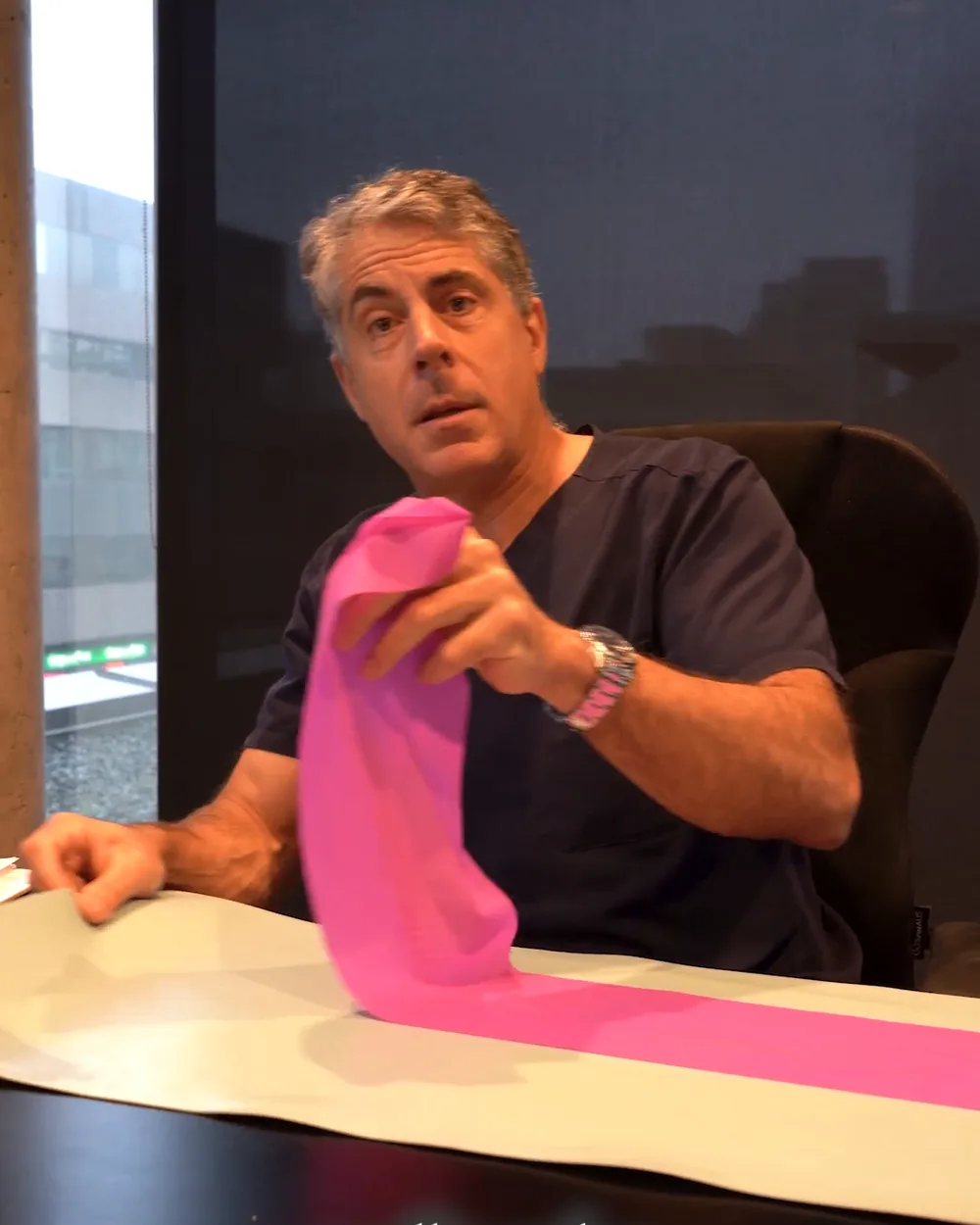
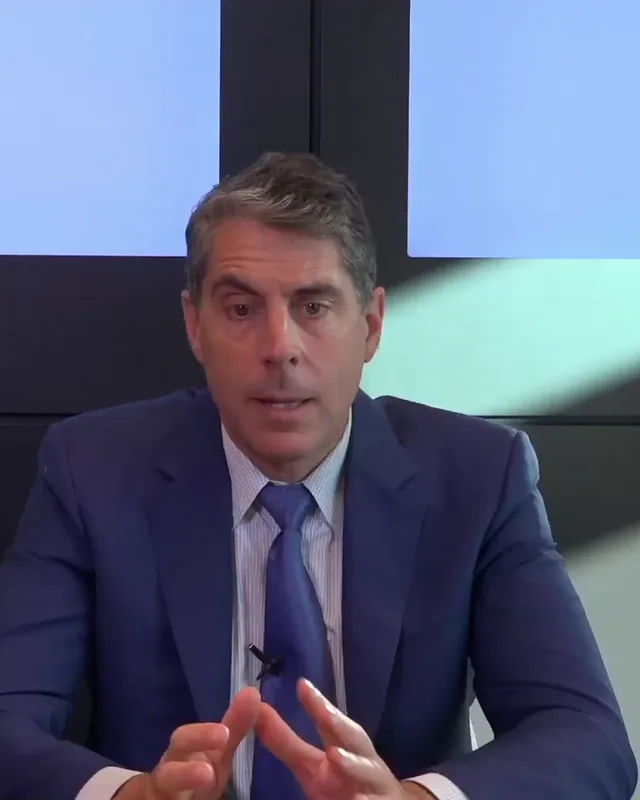
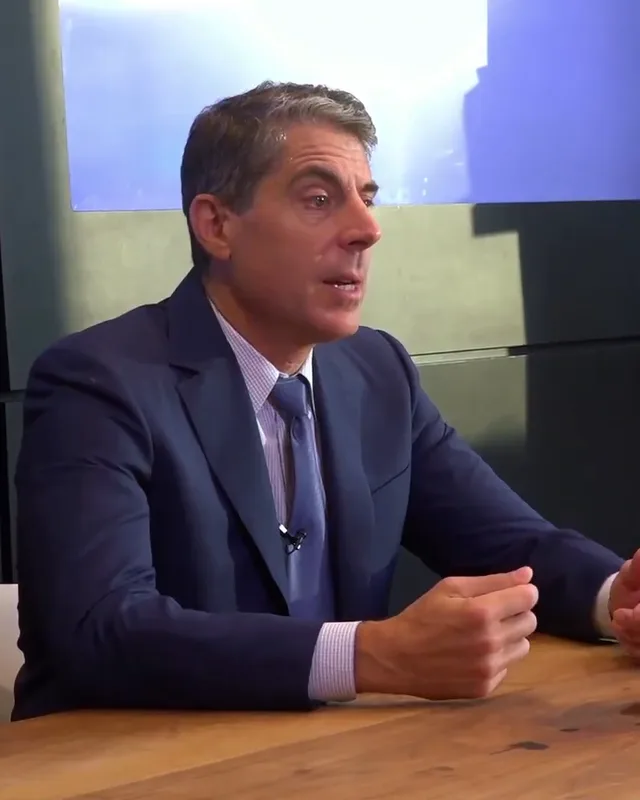
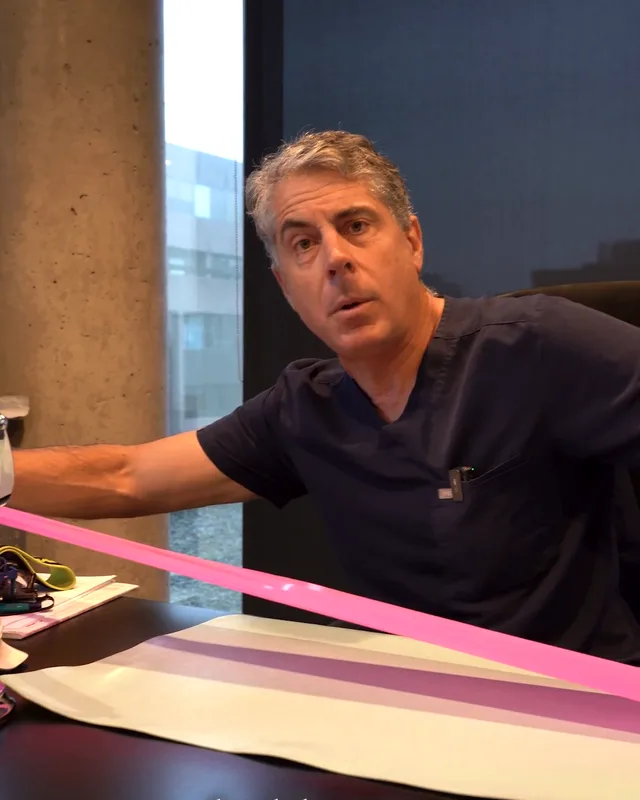
Filmed at 8 West: the history and types of facelift, the layers of the face, and the deep plane shown with a ribbon.
The difference
SMAS facelift vs deep plane facelift
Both work on the SMAS. What changes is whether it's released from what holds it down.
The SMAS is the firm layer under your skin. Unlike skin, it isn't stretchy, so moving and tightening it changes the shape of the face, and the tightening lasts. That's why facelifts moved on from lifting the skin alone, which stretches under tension and usually doesn't hold.
In a SMAS facelift, the SMAS is tightened while it stays attached underneath, by folding it over on itself (plication) or removing a strip and stitching the edges (a SMASectomy). Dr. Buonassisi compares it to tugging on bed sheets that are still tucked in: they move a little, then the mattress holds them.
In a deep plane facelift, the SMAS is lifted off what holds it down (the parotid gland, the chewing muscle and the jawline) and the ligaments underneath are released. Like untucking the sheets, it can then move much further, and once moved it settles in its new position, which reinforces the lift.
Releasing it also means the deeper layer and the skin can be moved in different directions: the cheek lifted and the jawline sharpened, while the skin goes another way to soften the fold beside the nose. Drawing the skin hard in one direction can make it look unusual.
His approach
A preservation facelift keeps your skin attached
The deeper layer is freed and moved, and your skin moves with it.
Your skin is held to the SMAS, and to the platysma muscle in the neck, by tiny attachments spread all along it. That's how skin exists naturally. In a preservation facelift those attachments are kept. Dr. Buonassisi frees the deeper layer and repositions it, and the skin comes with it at many points instead of being lifted off and drawn from one edge.
Skin lifted off on its own is stretchy and doesn't hold tension well, so it has to be stretched and more of it removed. That stretching is what tends to make a face look flat, change the corner of the mouth or give the windswept look people link with facelifts from the past.
Because the skin itself isn't lifted up, its blood supply isn't changed. Some skin is still lifted near the incisions, far enough to reach the part of the SMAS that moves and to trim the extra.
It's a more technically demanding way to do a facelift. The deeper layer has to be freed far enough to move without tension while the skin stays held to it, and that takes time and experience. Dr. Buonassisi, with over 25 years in facial plastic surgery, sees keeping the skin attached as the better method: it looks more natural, it preserves the integrity of the skin, and your tissues can go back toward where they used to be.
The techniques
Ways of working on the SMAS
- SMAS plicationThe SMAS is folded over on itself to draw it in the direction that sharpens the jawline or neck. Useful when the SMAS is mobile, especially in slimmer faces, because it keeps volume.
- SMASectomyA strip of SMAS is removed and the edges are stitched together, which tightens along the jawline and neck. It's quicker, with less dissection and possibly less bruising.
- High SMASThe SMAS in the cheek is lifted upward, which sets the high point of the cheek a little higher and makes the lower eyelid look shorter. Dr. Buonassisi often uses it in slimmer faces; it isn't needed when the cheek is already full.
- MACS liftMinimal access cranial suspension: a short incision and a purse-string stitch in the SMAS that lifts it upward. A valid, widely used technique; Dr. Buonassisi has done many and prefers more control over the direction of the lift.
- Deep planeThe SMAS is released from what holds it down underneath, so it can move much further. Done as a preservation facelift, the skin stays attached to it and moves with it. Dr. Buonassisi specialises in it: deep plane facelift in Vancouver.
Choosing
Which facelift is right for you
It depends on how far the deeper layer needs to move. If only a little movement is needed and the SMAS is mobile, a SMAS plication or SMASectomy works, and Dr. Buonassisi uses it when it suits. For a very loose neck or heavy skin, a deep plane facelift works better. It takes longer and is more complex.
Some things apply to every type. When the deeper tissues are lifted, extra skin gathers and has to be removed, and the skin has to be lifted far enough to reach the part of the SMAS that moves. A very small lift may not give enough improvement to be worthwhile.
In his practice there are three or four kinds of facelift, depending on where the incisions go, how much skin is lifted and whether the middle of the neck is treated. Where the incisions go: facelift scars and incisions.
Bigger lifts and recovery
Longer skin flaps mean more chance of bruising and some numbness. On average bigger lifts take a little longer to get back to normal, though for one person a smaller and a fuller lift can both take about two weeks.
Most people are comfortable out in public at 2 to 3 weeks. The weeks after surgery, step by step: facelift recovery, week by week.
Alongside a facelift
In Dr. Buonassisi's practice, a facelift is often combined with facial fat grafting, made from your own fat, where the face has also lost volume. Skin treatments at 8 West, such as laser and light, are often part of the plan before or after surgery. More about them: facial fat transfer and skin treatments.
The neck
The neck in a facelift
The neck is the most common concern.
The platysma, a broad muscle in the neck, works like a sling held from both sides, and lifting it well in a deep plane facelift makes the biggest difference. Sometimes a chin implant or a platysmaplasty, which tightens the muscle and removes fat in the middle of the neck, is added. More about the neck: neck lift.
Before & after
Face and neck, before and after
Facelifts with a neck lift by Dr. Buonassisi. Every patient is different.
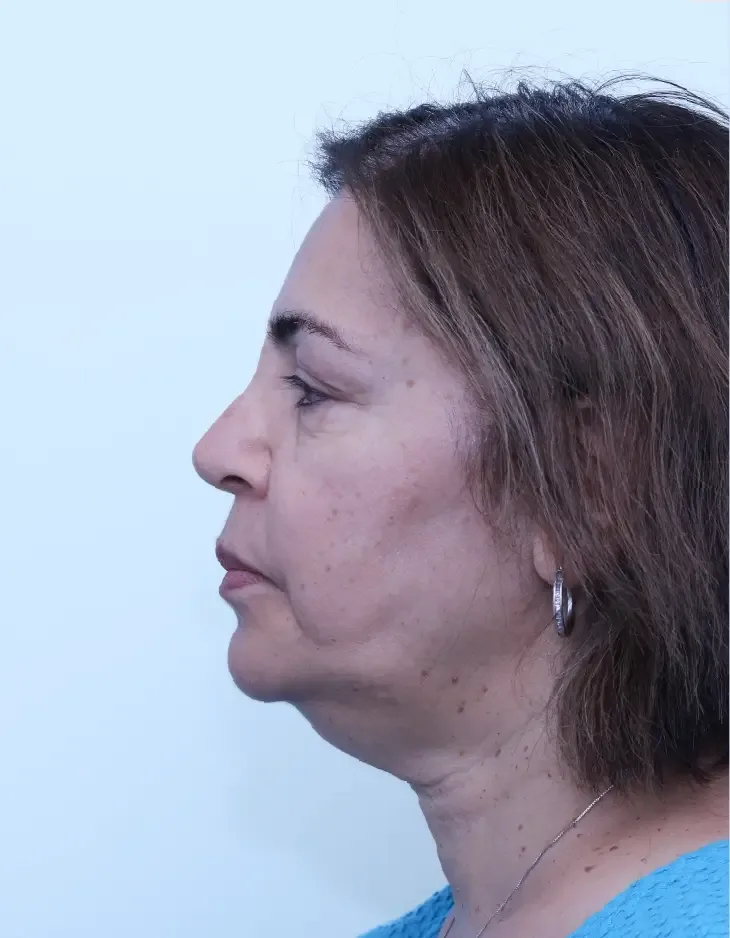 Before
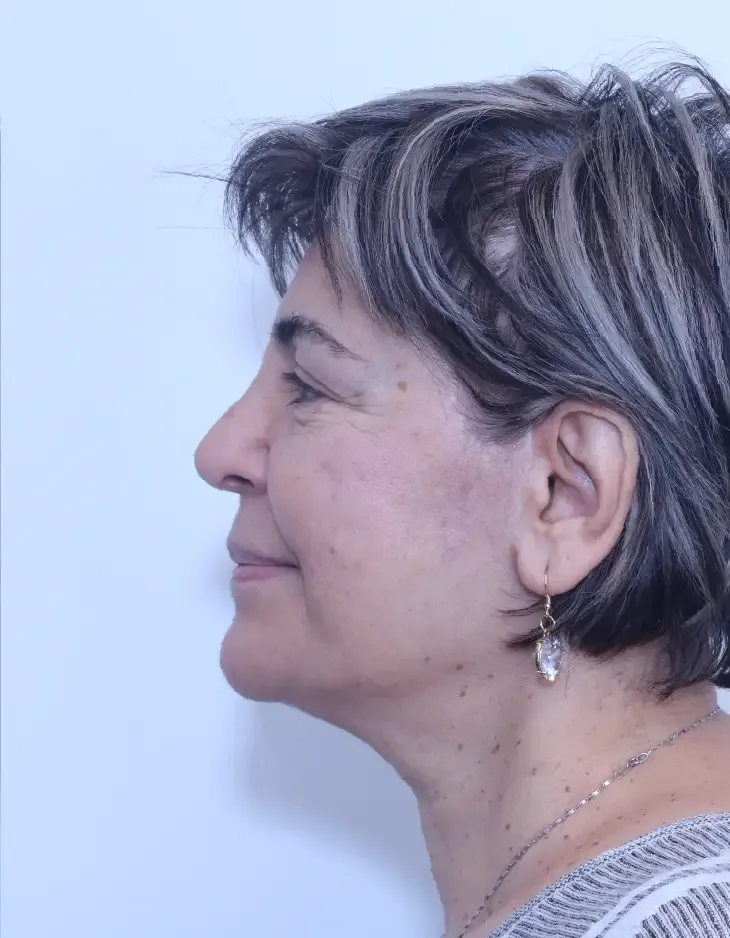 After
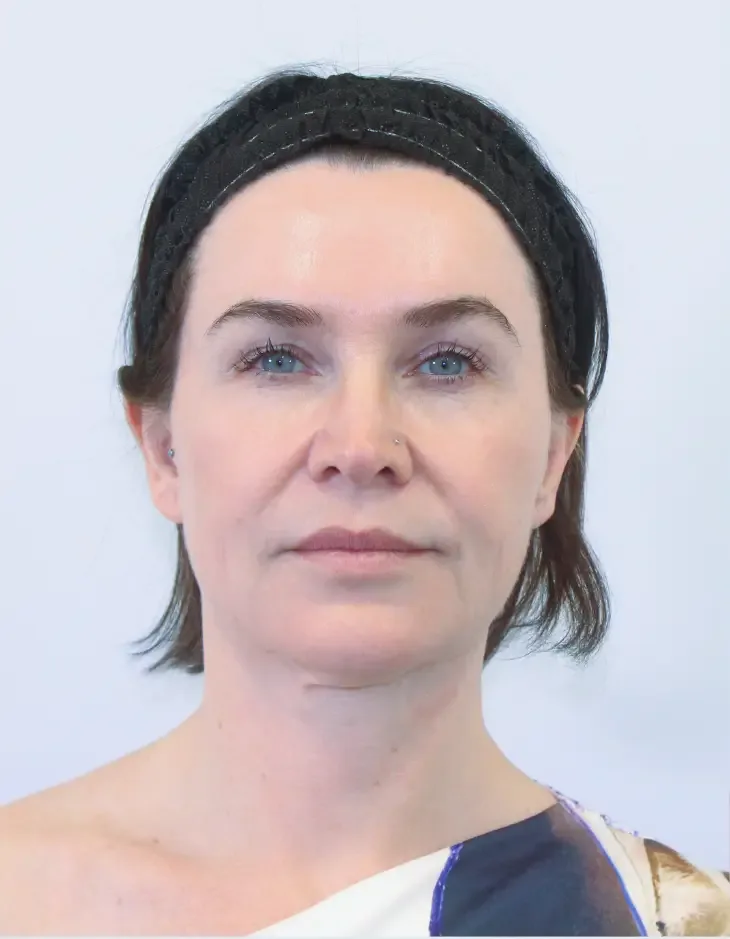 Before
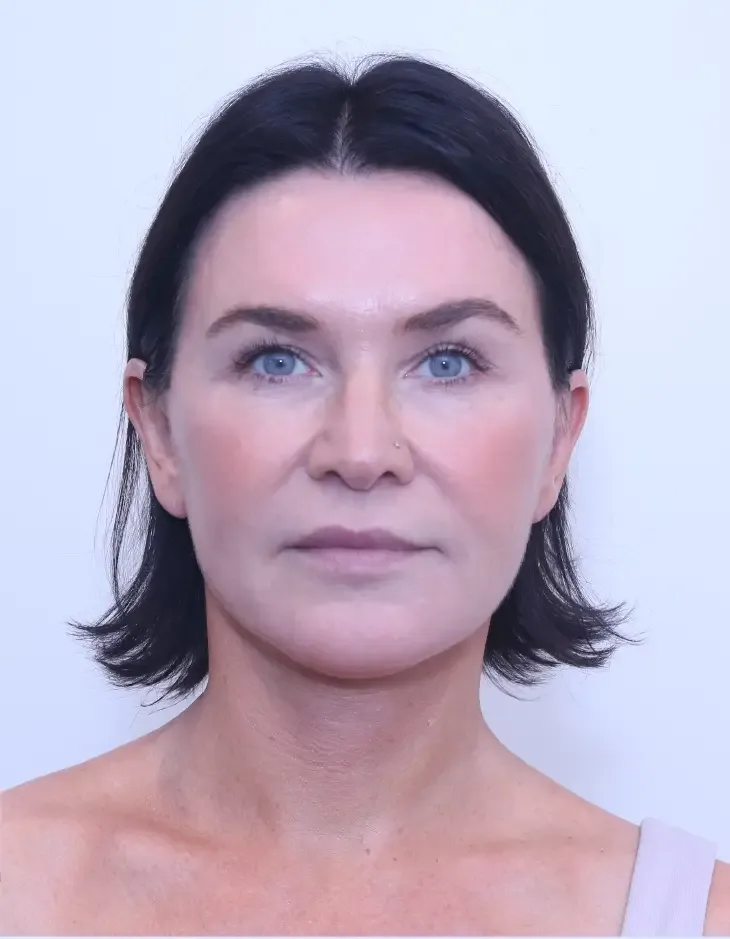 After
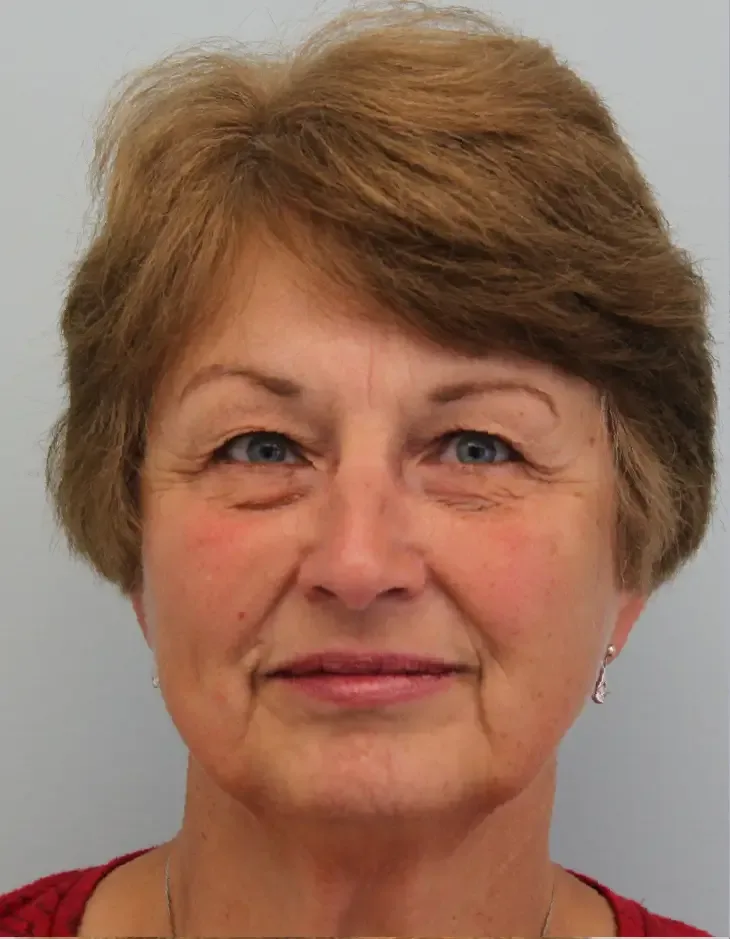 Before
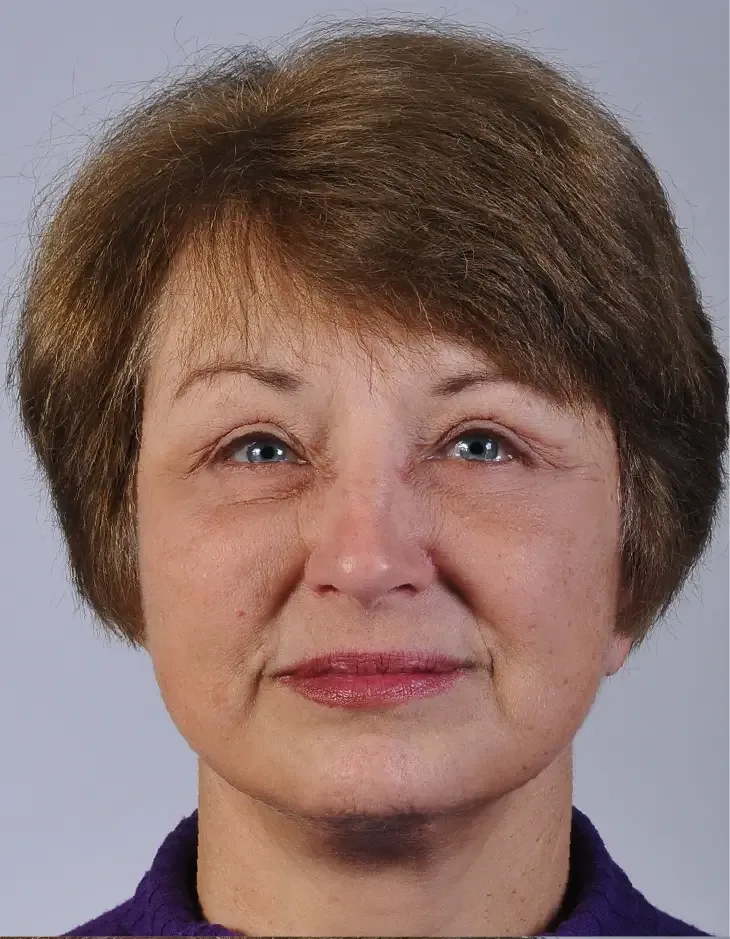 After
Real 8 West patients. Results vary.
More facelift before and after photosQuestions
Questions about facelift types
The guide
The Essential Guide to Facial Rejuvenation
It answers the questions most people have before a facelift consultation, with drawings and short videos from Dr. Buonassisi. Inside:
- The deep plane facelift and the neck, explained, with drawings of where the incisions go
- Jenn's facelift recovery, week by week, with a short video at each stage
- Eyes, brows and the lip lift, with before-and-after photos
- Cost and financing, and your next steps
More about facelifts
Everything else about your facelift
A neck lift is often part of a facelift, and a lip lift is often done at the same time.
Two clinics
Find us in Vancouver and North Vancouver
8 West Clinic is at 1788 W Broadway in Vancouver and 221 West Esplanade in North Vancouver. Financing is available through partner companies, and we can help you choose an option that fits your budget.
Every patient is unique and treatment results vary.
Get the Conversation Started
Tell us what you're interested in, and a member of our team will call you for a complimentary, friendly conversation. We'll answer your questions and help you figure out your next step, with no commitment.
This site is protected by reCAPTCHA and the Google Privacy Policy and Terms of Service apply.
We strive to provide quality services and care in a timely manner. If you require a faster response or have not heard back from us within 2–3 business days, please call us directly at 604-733-1669.