
Face & neck · Vancouver and North Vancouver
Facelift Scars and Incisions
Along the hairline and the natural folds of your ear.
Where facelift incisions go, how facelift scars heal and how much they show, explained by Dr. Thomas Buonassisi, MD, FRCSC, Specialist in Otolaryngology – Head and Neck Surgery, with a practice limited to facial plastic surgeries. In his words, and in his videos.
The first step is a complimentary, friendly call with a patient care manager.
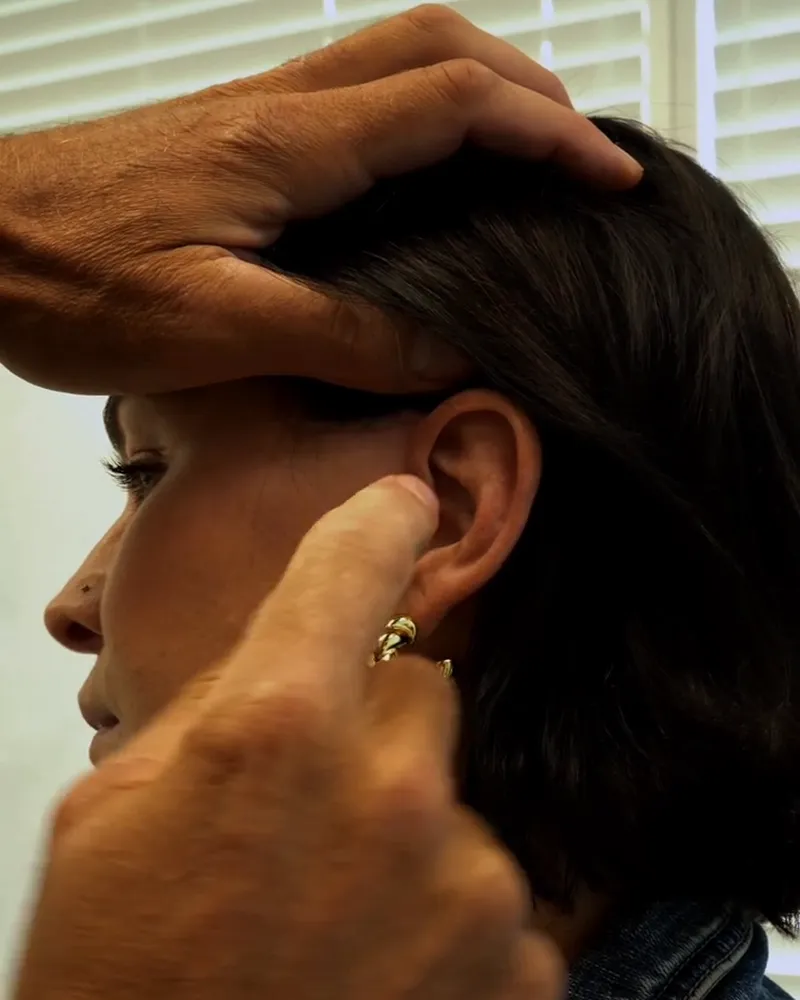
At a glance
Facelift scars, in short
From Dr. Buonassisi's videos, November 2026.
- Where
- In the hair at the temple, along the front of the ear, behind the ear and into the hairline at the back
- Stitches
- In front of the ear; they dissolve on their own and are skin coloured
- Staples
- In the hairline; out at your one-week visit
- Your hair
- A gentle rinse from the day after surgery
- Sealed
- At about three weeks, when hair colour and pools are fine
- Along the hairline
- A little redder and thicker for a while
- How they look
- Hard to see after a couple of months; the part behind the ear stays hidden
- If you'd like more
- Laser and light options can help improve the look of a scar
Hear it from Dr. Buonassisi
Facelift incisions, in his videos
Filmed at 8 West: why a facelift needs incisions and where they go, Jenn's healed incisions, and caring for your incisions and hair in the first days.
 3:21
Facelift incisions and what to expect
Why a facelift needs incisions, where he hides them, and why a shorter incision isn't always a better one.
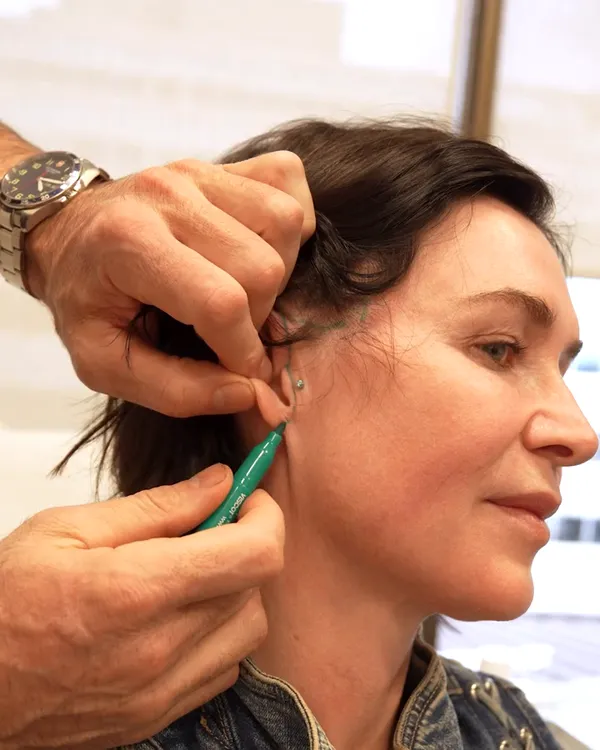 Facelift questions · 0:59
Where the incisions go
Dr. Buonassisi marks the line at the temple, around the ear and into the hairline.
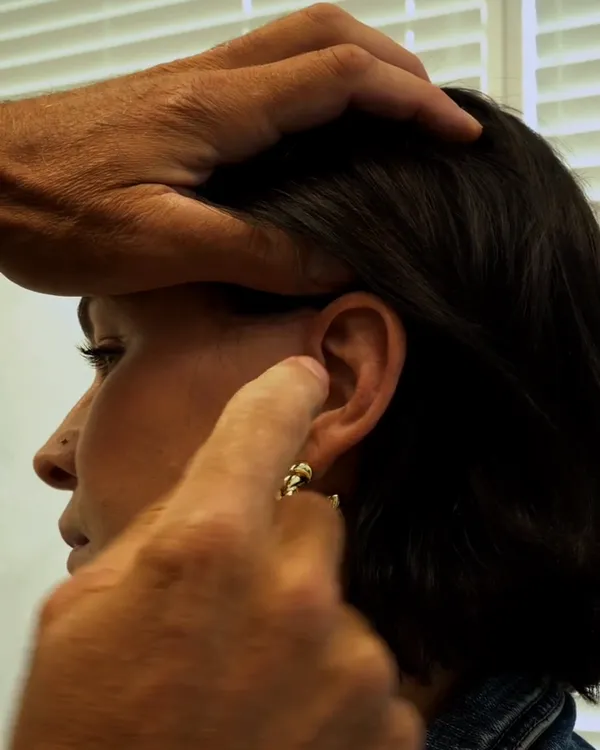 Jenn's facelift · 1:32
Jenn's incisions, healed
Dr. Buonassisi traces where Jenn's incisions run, and why a scar along the hairline can stay pink for a while.
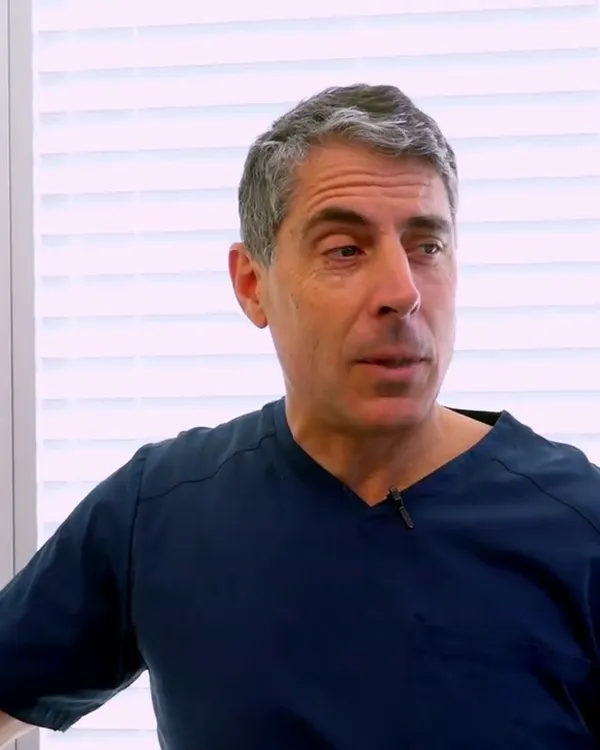 Facelift questions · 5:02
Caring for your incisions and hair
The day after surgery: ointment on the incision lines, rinsing your hair, and the wrap for your neck.
Where they go
Where facelift incisions are placed
The incision follows lines your face already has, so hair and the folds of the ear do most of the hiding.
- In the temple hairJust inside the hairline, so hair grows through and helps hide it. For men with sideburns it can sit a little lower.
- Along the earIt follows the curve of the ear into its corner and runs just in front of the small flap at the front of the ear (the tragus), so its shape and colour don't change.
- Around the earlobeDown a small groove and around the earlobe into the crease behind the ear, where it's out of sight.
- Into the back hairlineOut into the hairline at the back of the neck, where the extra neck skin is moved up and trimmed.
- SometimesA small separate incision higher in the temple hair, or one under the chin when the neck needs work from the front.
Why in front of the ear and not behind it? The incision goes in front of anything that should stay where it is, so your hairline and your ear don't move.
Why there are incisions
Why a facelift needs incisions
In a deep plane facelift, Dr. Buonassisi works beneath the SMAS, in the deeper layer of the face, so the skin and its supporting layer are lifted as one instead of the skin being stretched on its own. Reaching that layer takes an incision, and lifting it leaves extra skin that has to be trimmed and closed.
He compares it to taking in a dress: there's extra material in some places and not enough in others, and it has to be moved around to fit. A very small opening can reach underneath, but it can't deal with that extra skin.
Is a shorter incision better?
Not necessarily. What matters is that the incision lies flat, sits where it's hidden and is long enough to get the result you want.
An incision that stops behind the ear, without the part into the back hairline, suits a few people. It doesn't redrape the neck skin as well, recovery is about the same, and Dr. Buonassisi doesn't often recommend it.
As they heal
How facelift scars heal
- The day after surgeryOintment goes on the incision lines a couple of times a day, and you can gently rinse your hair with a little soap (no conditioner yet, and careful brushing near the staples).
- One weekYour staples come out. The stitches in front of the ear dissolve on their own, and that incision can already be hard to see. Keep anything off the incisions for a couple more weeks; makeup that comes off easily is fine.
- About three weeksThe incisions are sealed, so hair colour and swimming in a pool are fine.
- The next monthsScars along the edge of the hair tend to be a little thicker and redder for a while. The redness is small blood vessels, a normal part of healing. After a couple of months most of it is hard to see.
- Once healedFrom a normal distance, even for your hairdresser, they're very difficult to see, and the part behind the ear is hidden. Some people heal faster than others.
The weeks after surgery, from the dressing to going back to work: facelift recovery, week by week.
Your skin
Caring for your skin and your scars
Surgery smooths and refits, the way you'd pull a sheet smooth. The fabric deserves care too, so we look after your skin before and after surgery.
If you'd like, we also have laser and light options that can help improve the look of a scar. Our team can talk you through them.
Before & after
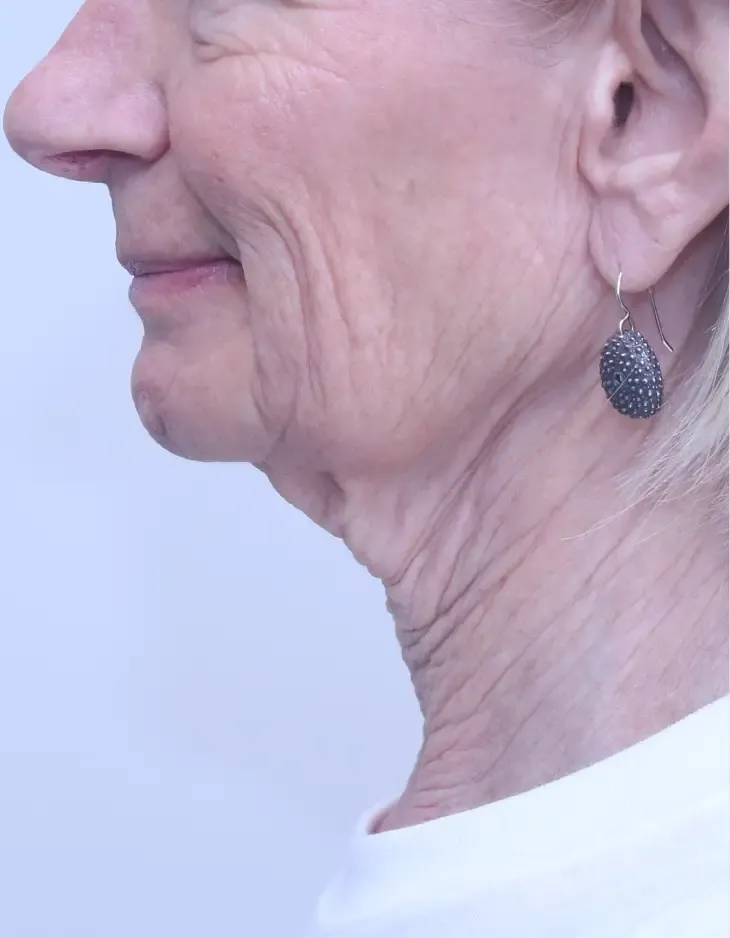
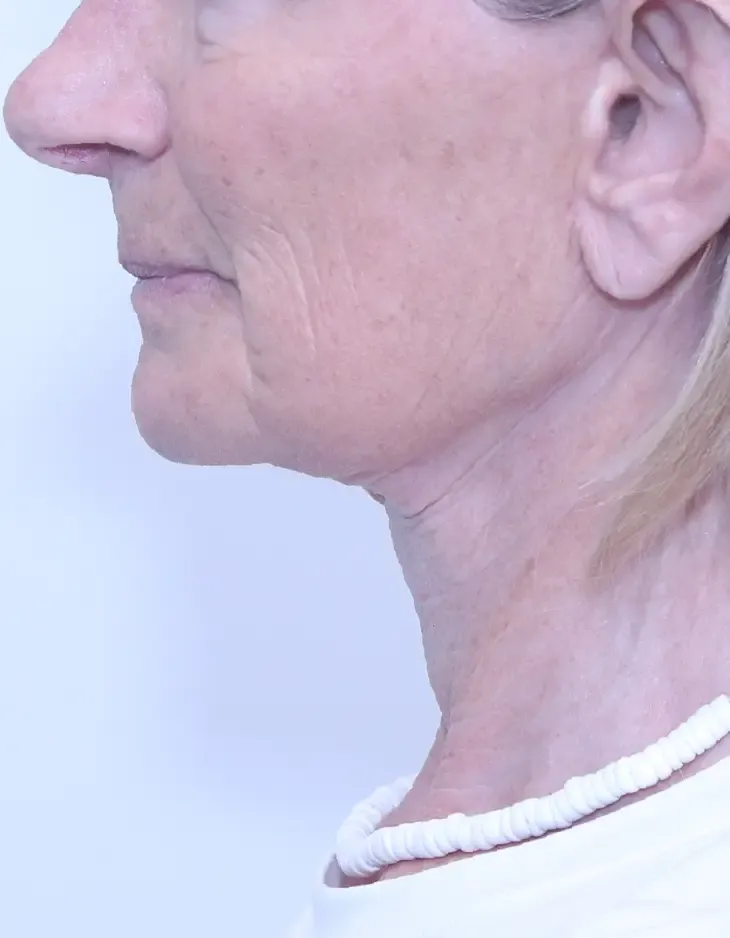
Around the ear, before and after
Side views of facelifts by Dr. Buonassisi, with the hair back so you can see the area around the ear. Every patient is different.
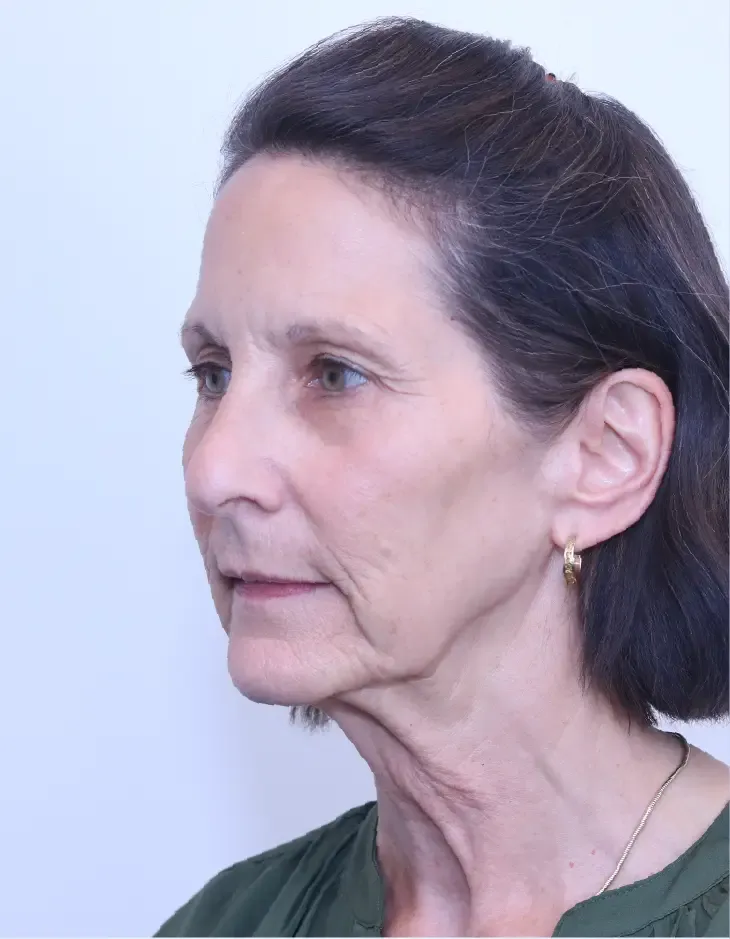 Before
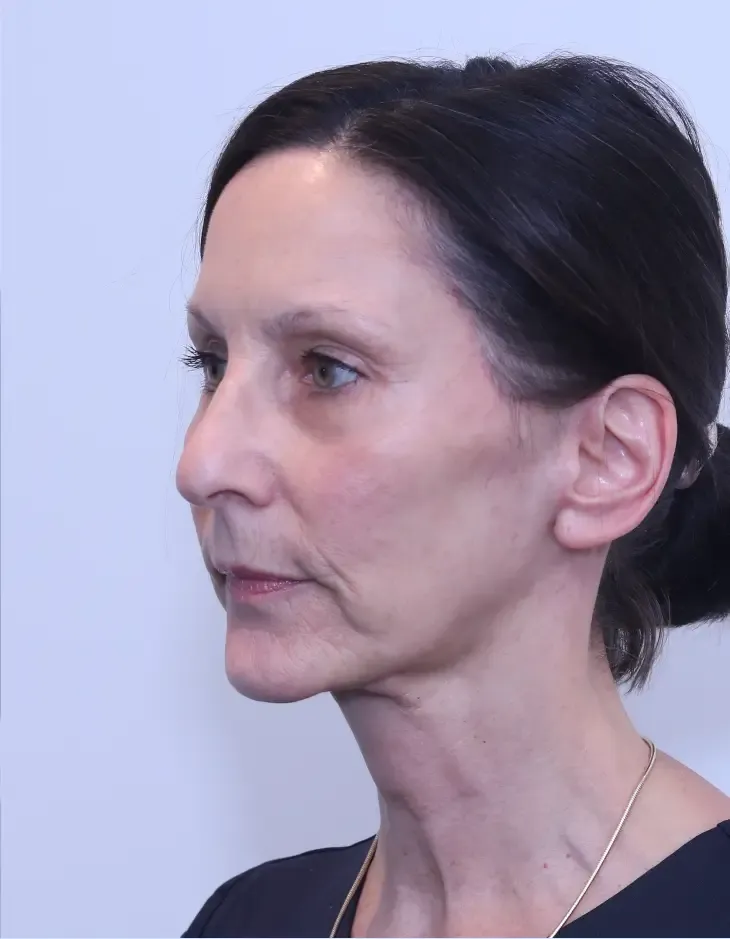 After
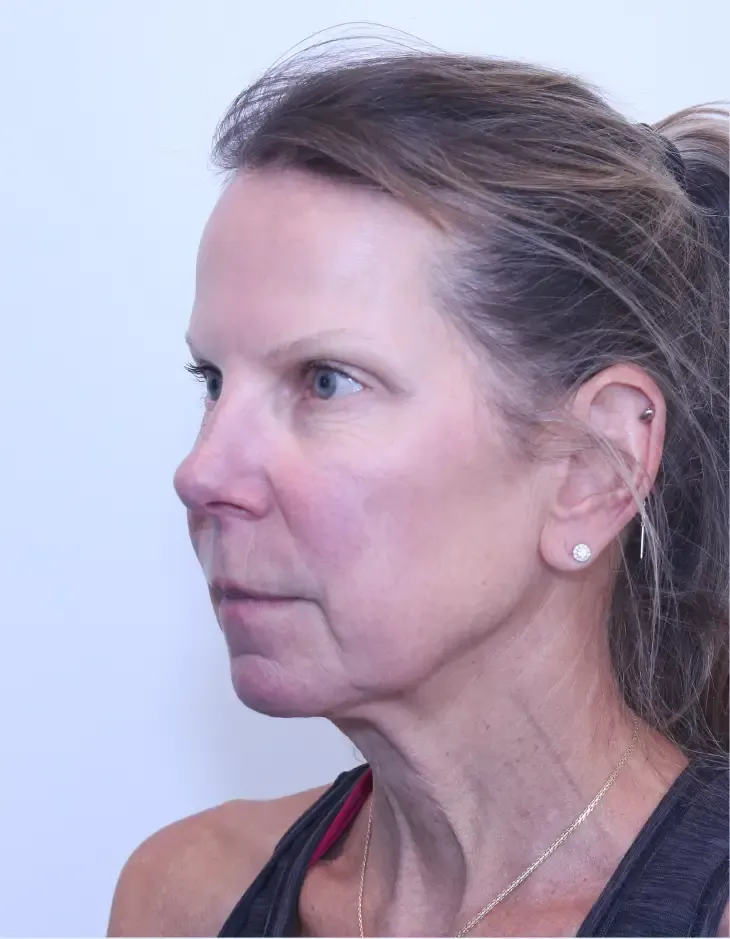 Before
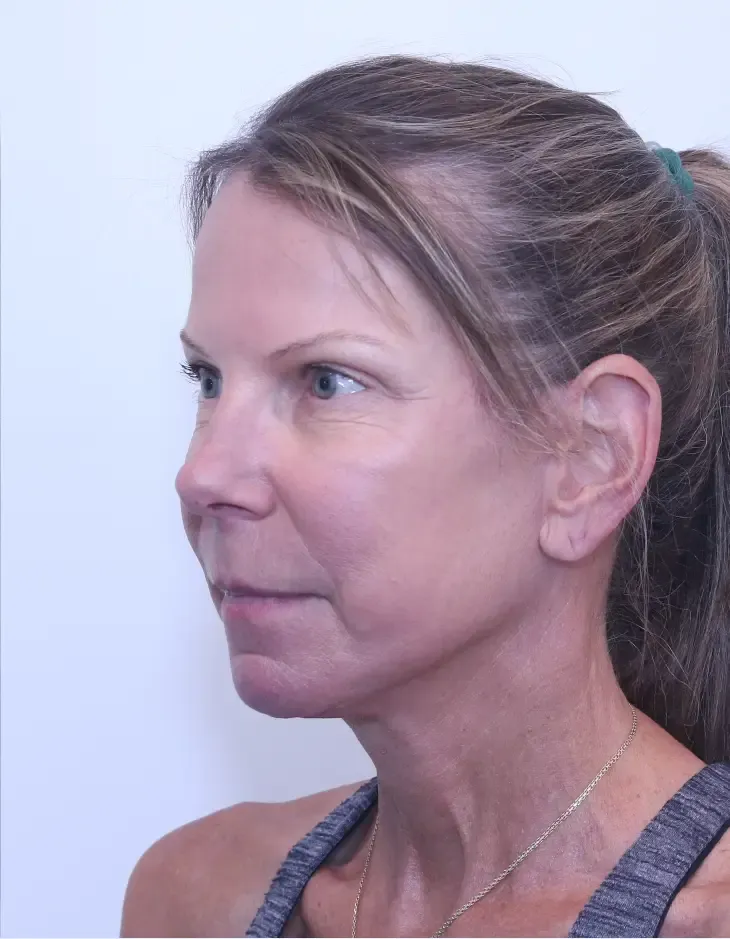 After
 Before
 After
Real 8 West patients. Results vary.
More facelift before and after photosQuestions
Facelift scar questions
The guide
The Essential Guide to Facial Rejuvenation
It answers the questions most people have before a facelift consultation, with drawings and short videos from Dr. Buonassisi. Inside:
- The deep plane facelift and the neck, explained, with drawings of where the incisions go
- Jenn's facelift recovery, week by week, with a short video at each stage
- Eyes, brows and the lip lift, with before-and-after photos
- Cost and financing, and your next steps
More about facelifts
The rest of your facelift
A facelift is often done with a neck lift, and sometimes with a lip lift at the same time.
Two clinics
Find us in Vancouver and North Vancouver
8 West Clinic is at 1788 W Broadway in Vancouver and 221 West Esplanade in North Vancouver. Financing is available through partner companies, and we can help you choose an option that fits your budget.
Every patient is unique and treatment results vary.
Get the Conversation Started
Tell us what you're interested in, and a member of our team will call you for a complimentary, friendly conversation. We'll answer your questions and help you figure out your next step, with no commitment.
This site is protected by reCAPTCHA and the Google Privacy Policy and Terms of Service apply.
We strive to provide quality services and care in a timely manner. If you require a faster response or have not heard back from us within 2–3 business days, please call us directly at 604-733-1669.