What is a deep plane facelift?

Key takeaways
- In a deep plane facelift, the deeper layer under the skin is lifted and repositioned, and the skin moves with it.
- Skin on its own doesn't hold tension well; pulling on skin alone means stretching it and removing more of it.
- Stretching the skin is what can give the flat, windswept look people link with older facelifts.
- Keeping the skin attached to the deeper layer lets both be repositioned together.
Two ways to lift the face
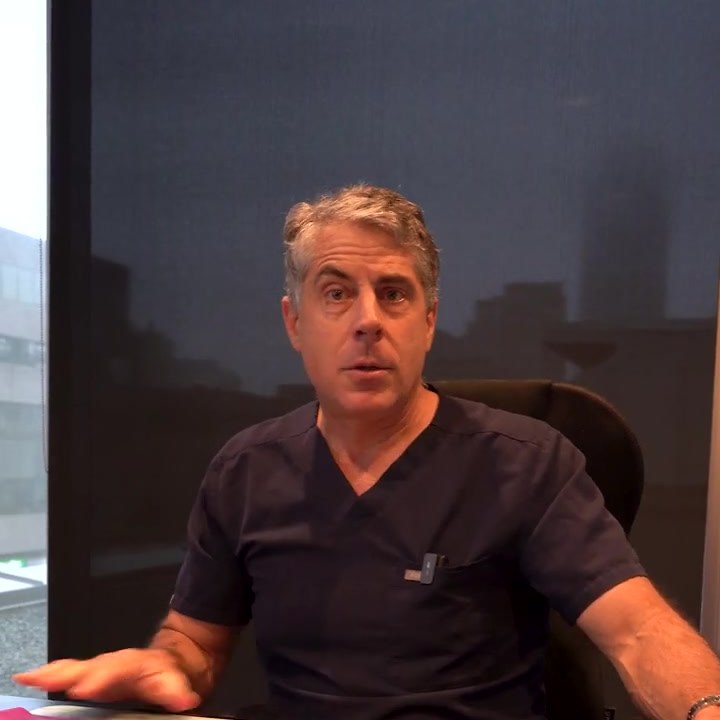
Dr. Thomas Buonassisi, MD, FRCSC, a facial plastic surgeon with over 25 years of experience, uses two strips of fabric to show the difference. The skin is stretchy. The deeper layer underneath, a layer of muscle and connective tissue, is much less stretchy. In a lift that works on the skin alone (a subcutaneous lift), the skin is separated from that deeper layer and pulled on its own.
Why pulling the skin alone falls short
Skin doesn't hold tension well. To get a lift from it, it has to be stretched and more of it has to be removed, which can leave unusual wrinkles and creases. Stretching is what tends to flatten the face, pull at the corners of the mouth or give the "windswept" look many people associate with facelifts from the past.
What a deep plane lift does instead
Your skin is attached to the deeper layer all the way along by fine, fibrous attachments. In a deep plane facelift, Dr. Buonassisi keeps those attachments in place, lifts and repositions the deeper layer, and the skin comes with it. Because the skin moves with the layer it is attached to, it doesn't have to be stretched.
Is it right for you?
Which approach suits you depends on your face, your skin and what you've noticed, and that is what your consultation is for. Read more about the deep plane facelift at 8 West Clinic in Vancouver and North Vancouver.